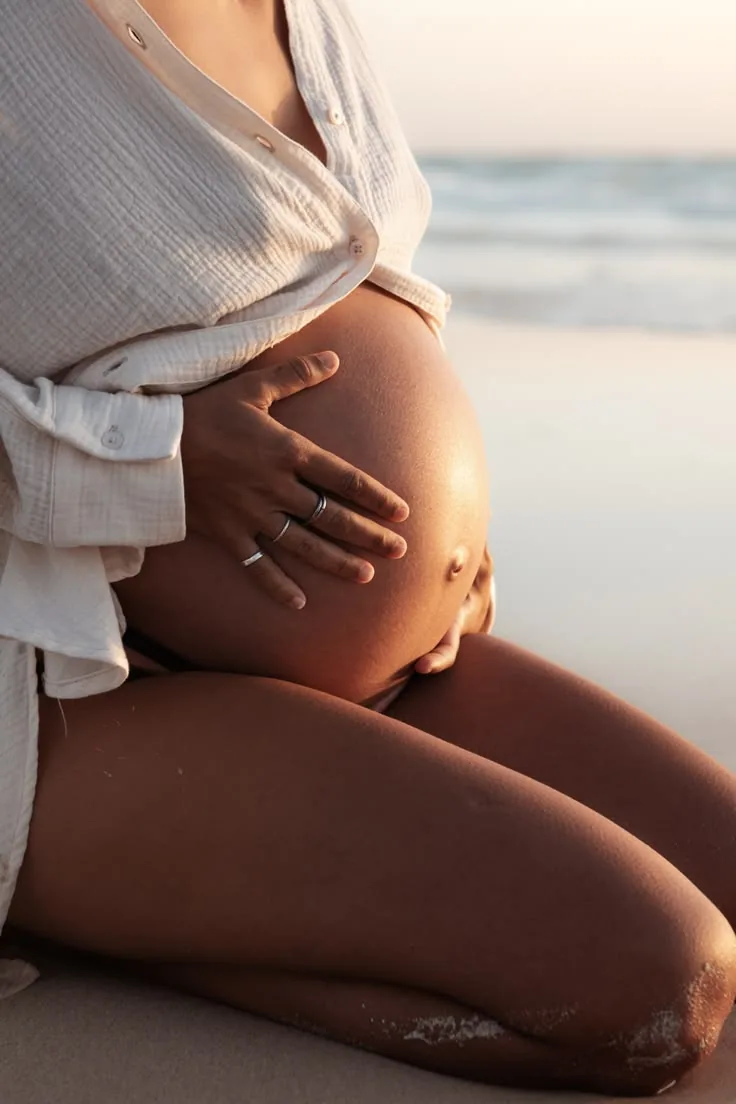
Ayurvedic-inspired prenatal massage can offer a wellness pause when adapted to the pregnant woman’s circumstances. Ayurveda places pregnancy care within Garbhini Paricharya; Abhyanga refers to oil massage. These traditional ideas do not establish that massage benefits the baby or makes birth easier. Maternal comfort and the advice of your maternity team come first.
- 🌿Garbhini Paricharya is a broad approach to pregnancy care, not one massage technique.
- 🌿Prenatal massage adapts position, pressure, products and pace, rather than simply reducing force.
- 🌿Available evidence mainly concerns relaxation massage in uncomplicated pregnancies, not a specific Ayurvedic protocol.
The Ayurvedic perspective: Garbhini Paricharya
Garbhini refers to a pregnant woman and Paricharya to her care or way of life. Ayurvedic texts and commentaries discuss rest, nourishment and adapting habits as pregnancy progresses. Koppikar’s traditional review, published in Ancient Science of Life in 2008, mainly describes monthly dietary practices within this context.
This helps explain a tradition; it is not a massage trial or a guide to adopting diets or remedies without advice. A simple idea can inspire wellness care: listen to the woman, reduce demands and adapt the experience. It does not mean every Ayurvedic practice suits every pregnancy.
Koppikar (2008): Garbhini Paricharya, traditional pregnancy-care context
What Abhyanga and Garbabhyangam mean
Abhyanga is oil massage within the Ayurvedic tradition. Contemporary prenatal services also use the name Garbhini Abhyanga. At Ayurveda.mi, Garbabhyangam names our prenatal session, with gentle movements and attention to position, sensations and preferences.
It is not one technique with a universally validated protocol. Johns Hopkins Medicine lists oil massage among Ayurvedic approaches and recommends healthcare advice before Ayurvedic treatments, particularly in pregnancy. A traditional name does not replace pregnancy-specific training or individual assessment.
Johns Hopkins Medicine: Ayurvedic approaches and healthcare advice in pregnancy
Possible benefits and evidence limits
A 2021 systematic review by Mueller and Grunwald included 12 randomised trials of relaxation massage during pregnancy. Studies reported favourable findings in some wellbeing, stress and back or leg discomfort measures. However, techniques and participants differed; the review identified uncertainty about risk of bias and limited reporting of adverse effects.
All participants were at least 12 weeks pregnant when studies began. Seven trials excluded difficult pregnancies or pre-existing complications, and only two reported possible side effects. Findings cannot simply be extended to early pregnancy or high-risk pregnancies. They also do not show that Garbabhyangam prevents complications, improves the baby’s health, treats anxiety or depression, or replaces maternity care.
A reasonable goal is time for yourself, a comfortable position and touch that feels pleasant. Some women may feel more relaxed or less tense; others may prefer a shorter session or no massage. You do not need to endure pain or achieve a particular response for care to be worthwhile.
Mueller and Grunwald (2021): systematic review of relaxation massage during pregnancy
Positioning, pressure and oils in pregnancy
- 🌿Position: side-lying with support, or seated if more comfortable. Avoid pressure on the belly and prolonged flat-back lying, especially as pregnancy progresses.
- 🌿Pressure: gentle and agreed with you. Deep massage over the abdomen or legs is not proposed; painful areas are not worked more forcefully to “release” them.
- 🌿Oils: check ingredients, allergies and scent tolerance. Natural does not automatically mean appropriate. Concentrated essential oils and herbal preparations need specific consideration.
- 🌿Pace: breaks, changes of position and the option to stop. Today’s comfort matters more than a rigid protocol.
NCCIH warns that some Ayurvedic products may be harmful during pregnancy and recommends healthcare advice. This does not mean all massage oils are harmful: it means considering the actual product. Mixtures, plants or supplements should not be recommended simply because they are traditional; a plant-based massage oil and a concentrated essential oil are different products.
NCCIH: Ayurveda, evidence and product precautions during pregnancy
When to begin and when to seek advice first
No pregnancy week alone guarantees massage is suitable. The cited research starts at 12 weeks, but that does not make week 12 a universal clearance. Before booking, share your pregnancy stage, how you feel and your midwife’s or obstetrician’s recommendations. In high-risk or complicated pregnancy, consult that team first.
Bleeding, fever, severe pain, painful swelling in one leg or breathing difficulties call for healthcare, not massage. An area with suspected thrombosis must not be massaged. A wellness session is not intended to resolve obstetric symptoms or delay assessment.
Questions about prenatal massage
Does prenatal massage prevent stretch marks?
It should not be promised to prevent or remove stretch marks. A well-tolerated product may feel pleasant on the skin, but that is not proof of prevention. Ingredients should suit your sensitivity and your healthcare professional’s advice.
Can the belly be massaged?
Our session does not include deep abdominal massage or manipulation. It does not aim to change the baby’s position, induce contractions or stimulate labour. Discuss any concerns about abdominal touch with your maternity team.
Is perineal massage the same thing?
No. Perineal massage is a different practice with specific aims and guidance discussed in maternity care. It is not part of this body wellness massage. Ask your midwife whether it is appropriate for you.
Do I need advice if my pregnancy is uncomplicated?
Always share your circumstances before booking and follow your maternity team’s guidance. With symptoms, relevant history or questions about massage or products, seek advice first. Uncomplicated pregnancy still calls for adapted position, pressure and oils.
Preparing for a session in Los Cristianos, South Tenerife
- 🌿Pregnancy stage and relevant recommendations from your maternity team.
- 🌿Positions you find comfortable and those you prefer to avoid.
- 🌿Allergies, skin sensitivity or discomfort with fragrances.
- 🌿Areas you prefer not to have massaged and comfortable pressure.
- 🌿Recent changes that might call for advice before a session.
At Ayurveda.mi, the advertised Garbabhyangam session lasts 60 minutes and costs €60. It is offered in Los Cristianos and, subject to availability and location, at home in South Tenerife. Explain how you feel before booking so adaptations can be discussed. Care can also mean postponing if today is not the right time.
Explore prenatal massage in Tenerife and ask about availability
Ask about home massage in South Tenerife
Would you like a care break during pregnancy? Tell me how many weeks pregnant you are and your maternity team’s advice so we can discuss the session.
Ask about prenatal massage via WhatsAppThis article is general wellness and editorial information. It is not medical advice and does not diagnose, treat, cure, or prevent any health condition. For personal health concerns, seek advice from a qualified healthcare professional.
About Giulia
Giulia shares Ayurvedic-inspired wellness experiences and massage sessions in Los Cristianos, Tenerife.
Sources
- 🌿Koppikar (2008): Garbhini Paricharya, traditional pregnancy-care context
- 🌿Mueller and Grunwald (2021): systematic review of relaxation massage during pregnancy
- 🌿NCCIH: Ayurveda, evidence and product precautions during pregnancy
- 🌿Johns Hopkins Medicine: Ayurvedic approaches and healthcare advice in pregnancy